中文简体
中文简体 中文繁体
中文繁体 English
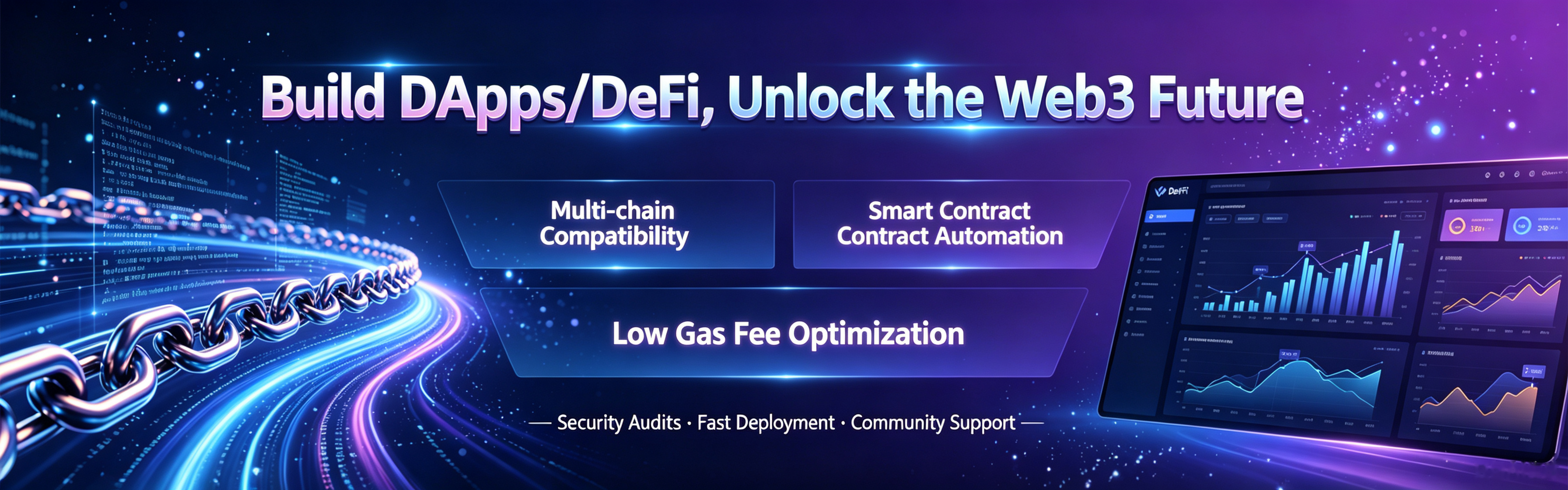
What is a DApp?
A DApp is an application that runs on a decentralized network (blockchain). It is not controlled by a single entity but executes automatically through smart contracts, with data stored on a public, immutable ledger.

Core Characteristics of DApps
Decentralized: Not controlled by a centralized entity, leveraging blockchain network technology.
Open: Code is typically open-source and can be reviewed by anyone.
Token-Driven: Typically uses tokens to incentivize users and secure the system.
Protocol-Driven: Based on various consensus-based network protocols.
Transparent & Immutable: Transactions and data records on the blockchain are publicly transparent and tamper-resistant.

Differences Between DApps and Traditional Apps
Compared to traditional applications that rely on centralized servers, DApps offer significant advantages in data ownership, censorship resistance, transparency, and user control, but also face challenges in performance, user experience, and scalability.
Data ownership belongs to users, no need to trust third parties, censorship-resistant, globally accessible.
Core Principles of DApp Development

Security First
Smart contract security auditing to prevent attacks

Transparency & Immutability
On-chain data is publicly verifiable

Degree of Decentralization
Reduces single point of failure risk

User Experience (UX)
Smooth interaction and wallet connectivity
Complete DApp Development Process
DApp development is a complex but structured process, typically involving the following six main phases. Each phase has its key tasks and deliverables to ensure the project progresses on schedule and meets its objectives.

Conceptualization & Planning
1.Define DApp goals and use cases
2.Market research and competitive analysis
3.Target user profiling
4.Core feature definition and prioritization
5.Public chain selection analysis (supporting a large number of nodes)
6.Tokenomics design (if applicable)
7.Legal compliance assessment
8.Develop project roadmap and preliminary budget

Technical Design & Architecture
1.Determine the tech stack (smart contract language, frontend framework, Web3 libraries, etc.)
2.Smart contract architecture design (modularity, upgradeability, etc.)
3.On-chain and off-chain data/logic separation
4.Storage mechanisms (Oracle), privacy analysis and suitability assessment (if involving external data)
5.Frontend UI/UX design
6.API design (communication layer with frontend)
7.Security design (access control, fail-safe mechanisms)

Smart Contract Development
1.Development environment setup (Truffle, Hardhat, Anchor, etc.)
2.Write smart contracts (Solidity, Rust, Vyper)
3.Unit testing and code coverage (critical)
4.Integration testing development phase (Ganache, Hardhat Network, Solana Local Validator)
5.Version control (Git)
6.Follow secure coding best practices (re-entrancy prevention, integer overflow prevention, etc.)

Frontend / UI Development
1.Implement UI/UX design mockups
2.Integrate Web3 libraries (web3.js, ethers.js, @solana/web3.js, etc.)
3.Wallet integration (MetaMask, Phantom, WalletConnect, etc.)
4.Call smart contract functions (read/write operations)
5.Handle transaction status and event listening
6.Data display and user interaction logic

Testing & Quality Assurance
1.Integration testing (frontend and smart contract interaction)
2.Testnet deployment and comprehensive integration testing
3.Security Audit - mandatory step (internal audit + professional third-party audit)
4.Performance testing / stress testing / optimization phase
5.Performance and stress testing (simulating high-concurrency scenarios)
6.User Acceptance Testing (UAT)

Deployment & Maintenance
1.Mainnet deployment
2.Continuous monitoring
3.Execute upgrades (if needed)
4.Community support
5.Incident response
6.Configuration management
Development Considerations for Different Public Chains
Choosing the right public chain is one of the key factors for DApp success. Different public chains have distinct characteristics in performance, cost, programming languages, ecosystem, and community support.
Ethereum (ETH)
ProsMost mature ecosystem, massive developer community, battle-tested security, birthplace of DeFi/NFT.
ConsExpensive gas fees, lower performance during network congestion.
DevelopmentSolidity is mainstream, mature toolchain (Hardhat, Truffle), Layer 2 solutions (Arbitrum, Optimism, zkSync) need consideration.
BNB Smart Chain (BsC)
ProsEVM-compatible (easy migration), lower gas fees, faster transaction speed, large user base (Binance ecosystem).
ConsRelatively centralized, security concerns.
DevelopmentSolidity is mainstream, development tools similar to ETH.
Solana
ProsHigh performance (high TPS), low transaction fees, strong parallel processing, rapidly growing emerging ecosystem.
ConsNot EVM-compatible (requires learning Rust/Anchor), has experienced network outages, high validator hardware requirements.
DevelopmentRust (primarily through the Anchor framework to simplify development), unique account model, toolchain (Solana CLI, Anchor).
Kinachain (Hypothetical)
Evaluate its characteristics: consensus mechanism, TPS, transaction fees, EVM compatibility, programming languages, developer tools, ecosystem maturity, security track record, community support, etc. The development process is similar, but specific tools and best practices must be adapted to the chain's features.
Key Success Factors & Challenges

Success Factors

Clear Value Proposition
Excellent User Experience (UX)
Robust Security
Sound Tokenomics Design
Active Community Support
Compliance Considerations

Challenges

High Technical Complexity
High security risks and expensive auditing costs
High user education costs and steep learning curve
Regulatory Uncertainty
Gas fee volatility and scalability challenges
Maintenance difficulties due to smart contract immutability
Case Showcase
EXAMPLES SHOWCASE
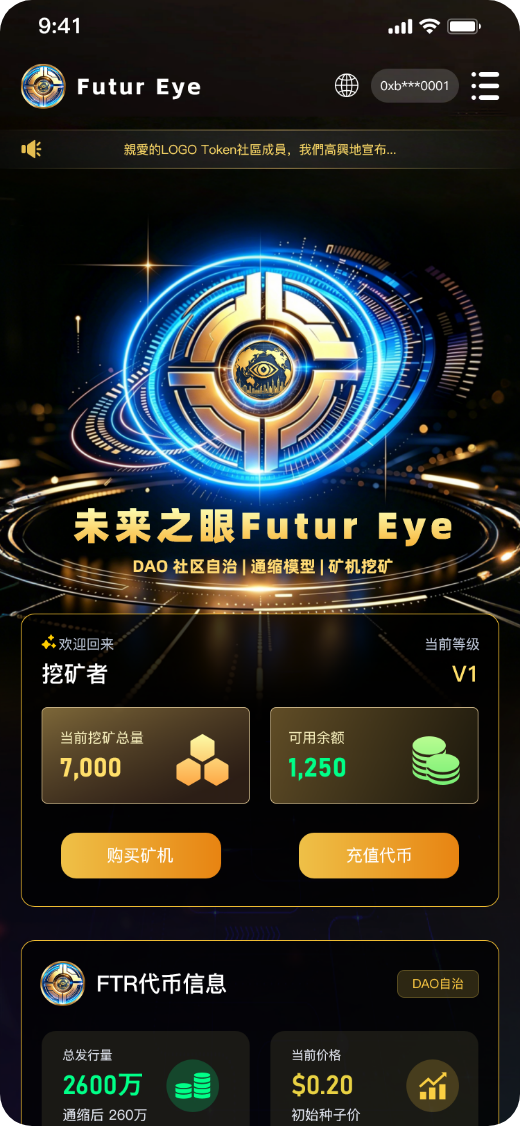
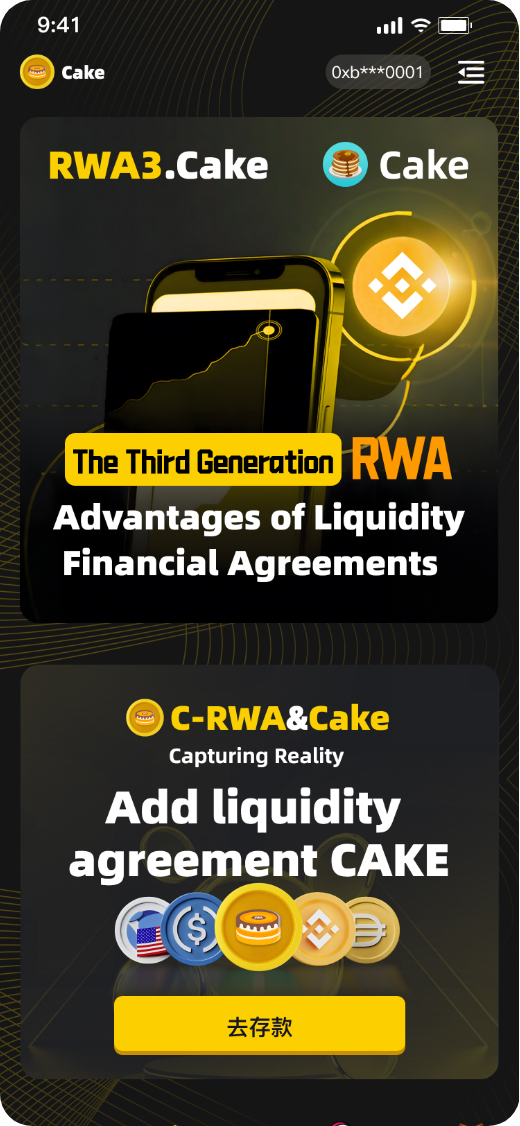
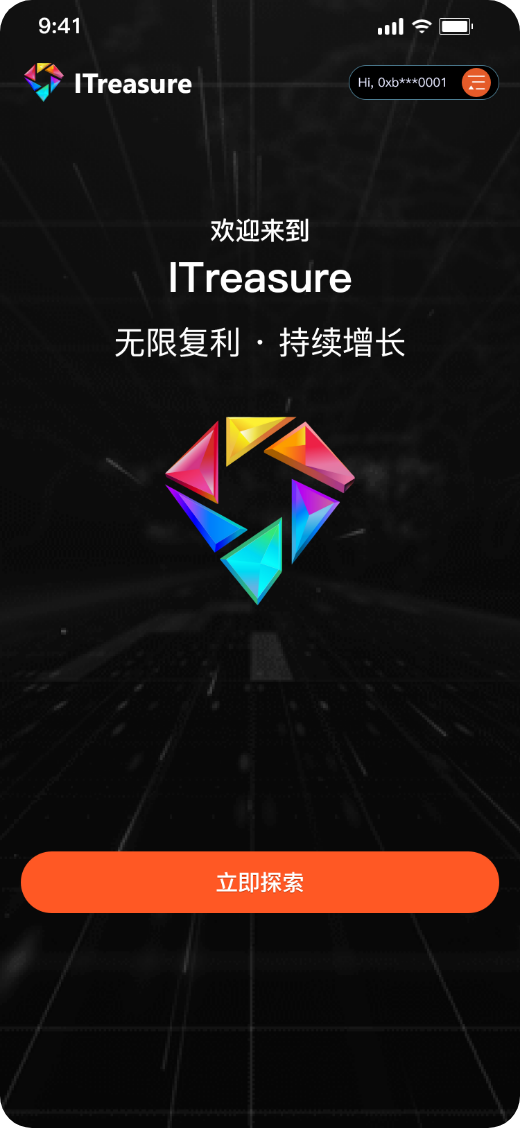
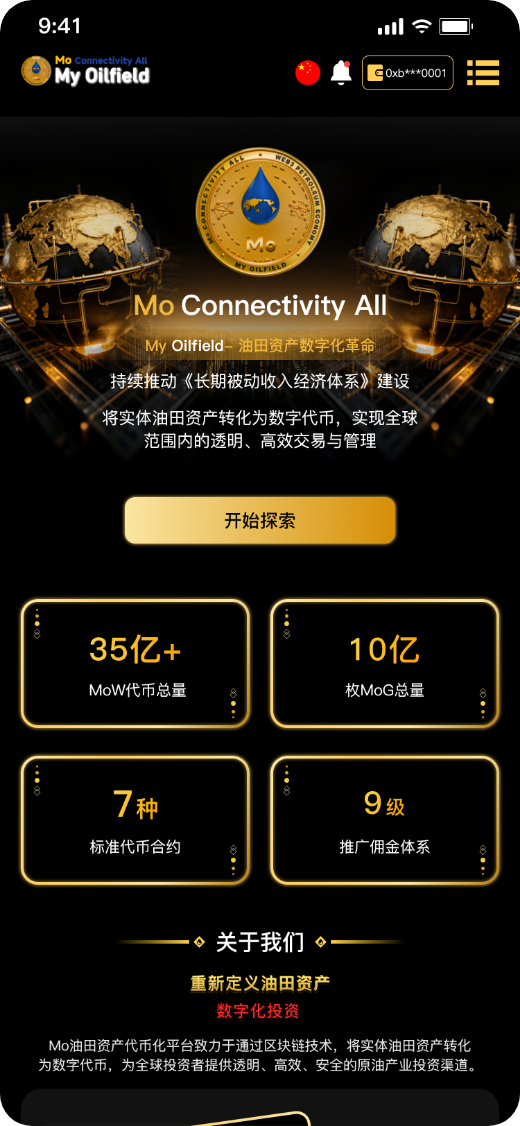
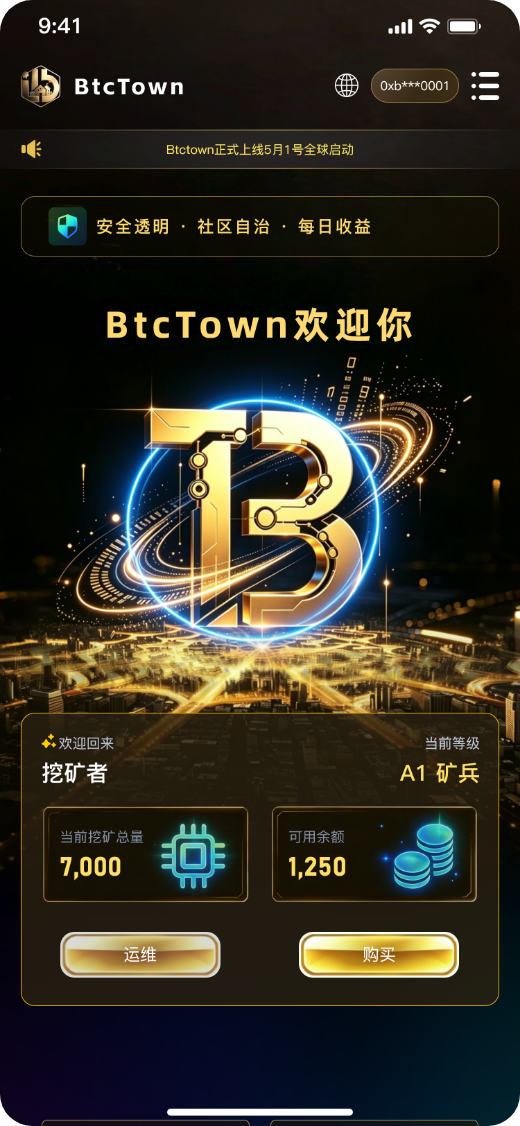
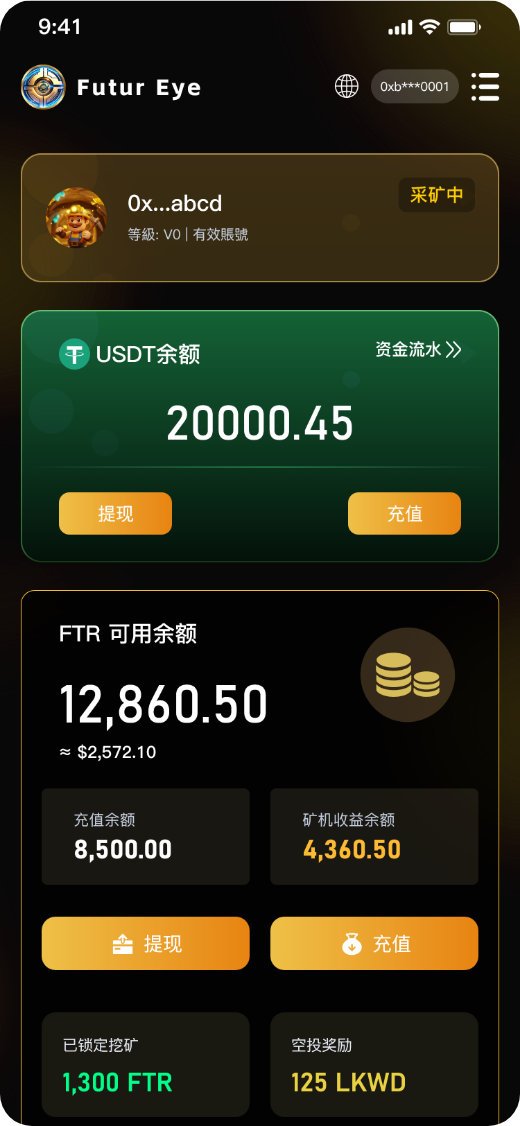
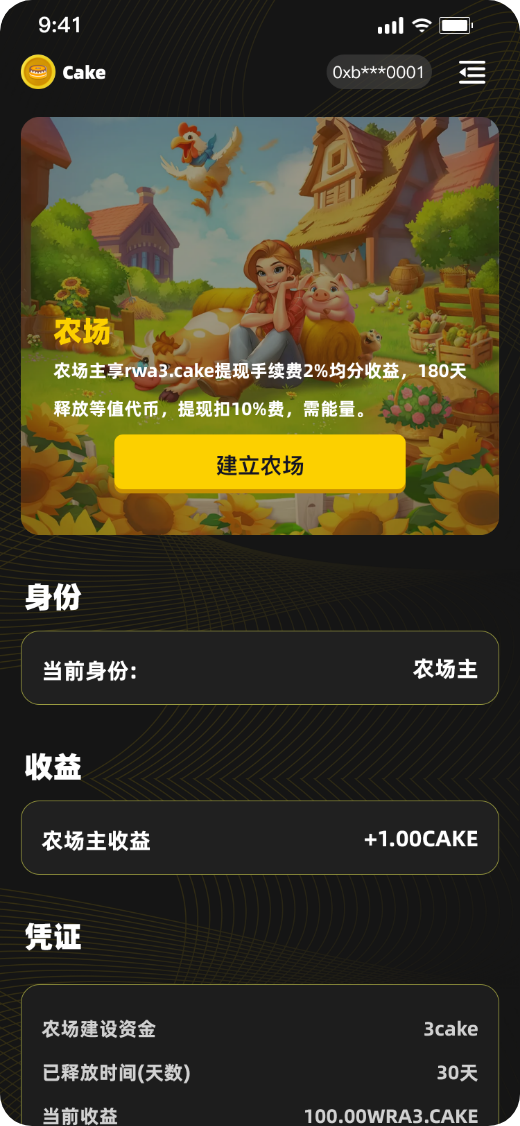
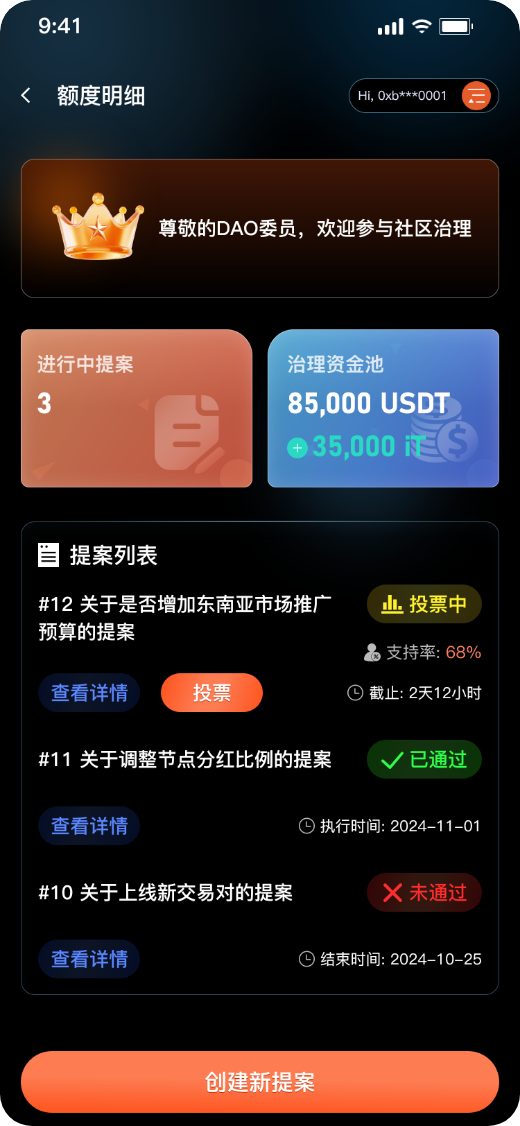
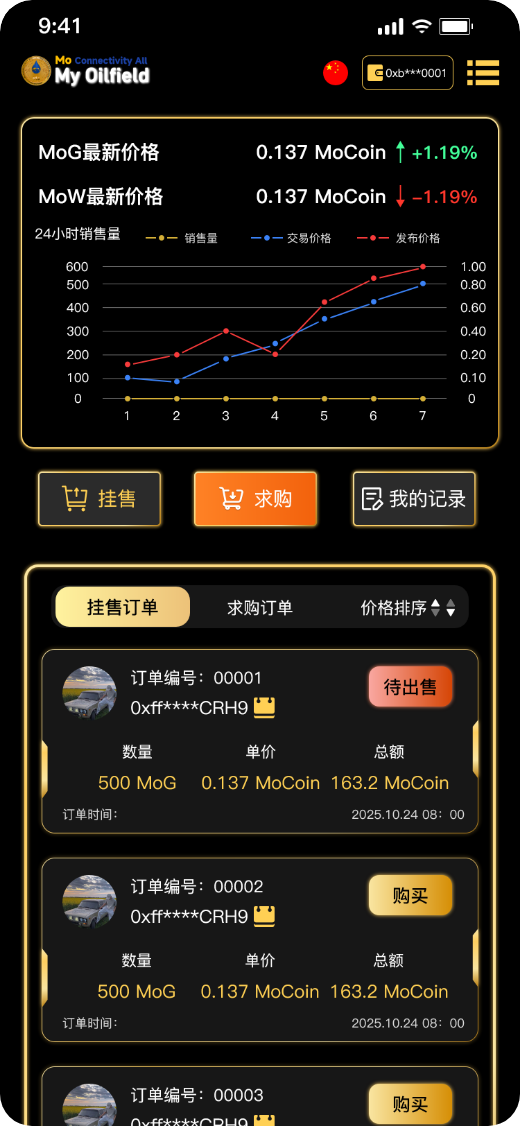
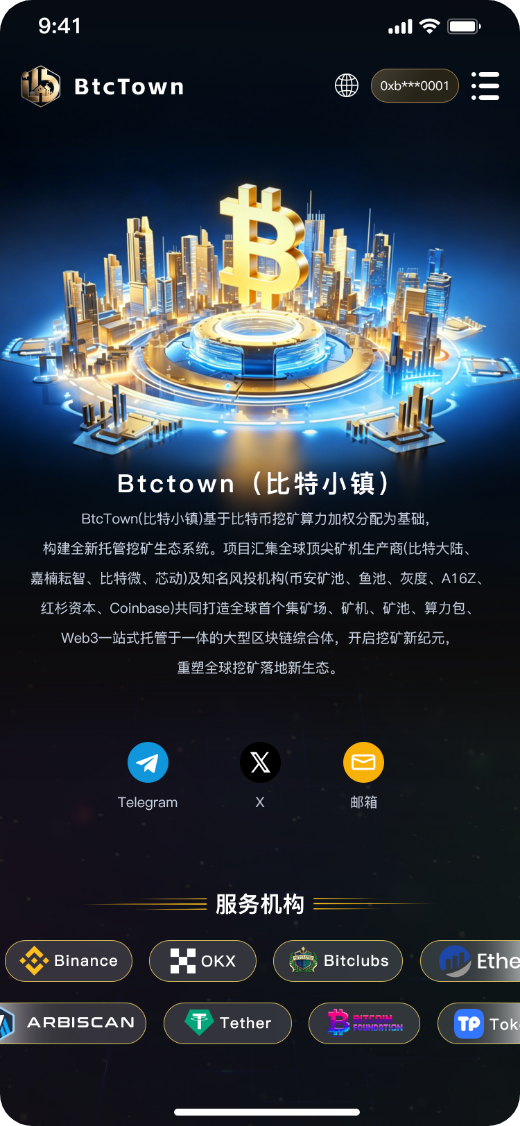
Building a Trustworthy Decentralized Future
DApp development is a rigorous, multi-phase process that blends traditional software engineering with the unique aspects of blockchain technology. Security is paramount throughout and is the cornerstone of any DApp's survival.